From Transactions to Trust: How Emotional Intelligence Boosts Outcomes
Key Highlights
- Emotional intelligence builds deeper alignment and faster problem resolution.
- Listening and feedback processes reduce repeated friction in operations.
- EQ-based leadership supports adaptability in high-variability cycles.
- Automation without relational trust often fails to resolve conditional or edge cases.

In supply-intense industries — automotive aftermarket, distribution, parts logistics — performance is often judged by numbers like fill rate, on-time, cost. But the relational dimension that focuses on trust, responsiveness, and emotional intelligence often fuels (or fractures) execution.
The article profiles Dr. Dana Nkana’s philosophy: That auto aftermarket supplier and buyer teams who understand each other’s pressures, operate with empathy under stress, and maintain strong communication outperform those relying solely on contractual levers. Across industries, the future isn’t cold machines, but emotionally intelligent systems and processes.
As explained by Dr. Dana Nkana in “Nkana: Emotional Intelligence — The Human Edge That Drives Aftermarket Supply Performance” on VehicleServicePros:
“Aftermarket suppliers, manufacturers, and distributors operate in one of the most competitive and margin-tight segments of the mobility ecosystem. Customer expectations for availability and speed are high, labor and skills gaps are real, and every order line and fillrate point matters. In this environment, one capability consistently separates resilient, growing organizations from the rest: emotional intelligence.
EI isn’t about being ‘nice.’ It’s the ability to recognize, understand, and manage your own emotions—and positively influence the emotions of others—to produce better business outcomes. On the production floor, in the DC, and across customer and supplier touchpoints, EI has a direct impact on trust, safety, throughput, quality, and retention.”
Continue reading “Nkana: Emotional Intelligence — The Human Edge That Drives Aftermarket Supply Performance” on VehicleServicePros.
Why It Matters to You
Metrics and automation are necessary, yet insufficient alone in any industry. Execution often hinges on human judgment, escalation, and relationship dynamics. Leaders who build emotional intelligence into supplier governance, conflict resolution, and partnership dialogue gain smoother execution, fewer surprises, and more resilient performance.
In capital-intensive or mission-critical operations, automation and AI cannot fully resolve edge-case disruptions or relational stress. Embedding relational protocols including transparency, feedback loops, and empathy in conflict can be a competitive differentiator for leaders looking to retain and attract new talent.
Next Steps
- COO/Supply Chain Lead: Integrate relational metrics (trust ratings, communication scorecards) into supplier performance reviews.
- Procurement/Buyer Teams: Train on emotional intelligence skills such as active listening, collaborative escalation, and scenario empathy.
- Operations/Logistics: Create structured feedback forums (weekly syncs) to openly discuss delays, root causes, and relationship repair.
- Training/HR: Include EQ modules in supplier/partner leadership programs.
- Executive/Strategy: Recognize relational disruption as a risk domain by auditing past missed deliveries to see how conflicts or breakdowns in communication escalated outcomes.
 Quiz
Quiz
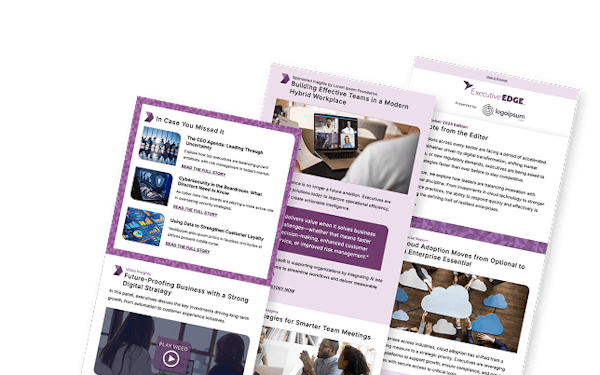
Your Competitive Edge, DeliveredMake smart decisions faster with ExecutiveEDGE’s weekly newsletter. It delivers leadership insights, economic trends, and forward-thinking strategies. Gain perspectives from today’s top business minds and stay informed on innovations shaping tomorrow’s business landscape.