Tariffs One Year On: Leaders Are ‘Absorbing More Than Adapting, Waiting More Than Acting’

New research from Endeavor Business Intelligence shows widespread damage to margins but only one in six leadership teams making lasting business model changes. Is it time for a change in mindset?
April 15, 2026
4 min read

Key Highlights

  • Over 70% of U.S. business leaders report persistent burdens from tariffs, with most making only temporary adjustments to their strategies.
  • Margins are under pressure, with 60% of companies experiencing compressed profits and 55% raising prices, often passing costs to consumers, which can lead to customer loss.
  • Few firms have adopted permanent business model changes; instead, many are waiting or making short-term responses, highlighting the need for more decisive strategic planning.
  • Some companies are seeing increased demand domestically, but only 14% report that tariffs have improved profitability, indicating limited silver linings amid ongoing challenges.
  • Experts recommend focusing on managing overlooked cost categories and negotiating clear supplier formulas to mitigate tariff-related volatility and buy time for strategic adjustments.


One year after President Donald Trump unveiled a barrage of tariffs against dozens of trading partners, more than 70% of business leaders say they have faced significant and persistent burdens from those measures. And while nearly that many told Endeavor Business Intelligence, the research arm of ExecutiveEDGE parent EndeavorB2B, that their profitability has suffered, a majority haven’t changed their strategy or are making only temporary adjustments. By contrast, only 16% of leaders said they’ve adapted their business models permanently to the tariff environment.

“The data suggests American businesses — particularly in manufacturing, automotive and construction, which dominate the respondent mix — are absorbing more than they are adapting, and waiting more than they are acting,” the EBI team wrote in its report.

That may need to change soon. The Trump administration has signaled that, after the U.S. Supreme Court ruled that its attempted use of the International Economic Emergency Powers Act was illegal, it intends to roll out new tariffs soon. Whether those will have a greater or lesser impact on specific goods or countries is to be seen, but the upshot is clear: More disruption is coming, and leadership teams need to be prepared to ride another wave of change while also sharpening their overall operations to account for higher costs.

92477557 © Pixelrobot | Dreamstime.com
edge_cash_belt_92477557_pixelrobot_dreamstime
ID 179694858 © Mr.siwabud Veerapaisarn | Dreamstime.com
dreamstime_xl_179694858

LogicSource’s Hausmann said leaders can cover some of their exposure to event-driven jumps in commodity prices by negotiating unambiguous formulas with suppliers. But in the end, he said, such swings are largely beyond the control of C-suites. Instead, he and his LogicSource team focus on spending categories that he said are often “sleepily ignored” but over which finance and operations executives have far more say. Manage those more smartly, he said, and you can offset — or more — the margin pressures being created by tariffs, energy prices and other factors.

More leaders are drawing this conclusion if LogicSource’s experience is any indication: Haussman said his team has seen “a huge spike” early this year in meetings with key decision-makers looking to get a grip on their potential opportunities. A sustained focus on managing cost buckets that haven’t necessarily been watched as closely of late may not fix all tariff ailments. But it will help buy you valuable time for figuring out just how your strategies may need to permanently change.

About the Author

Geert De Lombaerde

Geert De Lombaerde

Contributor

A native of Belgium, Geert De Lombaerde joined EndeavorB2B in September 2021 to cover public companies, markets, and economic trends primarily for IndustryWeek, FleetOwner, Oil & Gas Journal, T&D World, and Healthcare Innovation. His work focuses on strategy, leadership, capital spending, and mergers and acquisitions, and he also works with Endeavor Business Intelligence on surveys and data projects.

Geert has been in business journalism since the mid-1990s. With a degree in journalism from the University of Missouri, he began his reporting career at the Business Courier in Cincinnati, initially covering retail and the courts before shifting to banking, insurance, and investing. He later was managing editor and editor of the Nashville Business Journal before being named editor of the Nashville Post in 2008. He led a team that helped grow the Post's online traffic by an average of more than 15% annually before joining Endeavor.

Quiz

mktg-icon Your Competitive Edge, Delivered

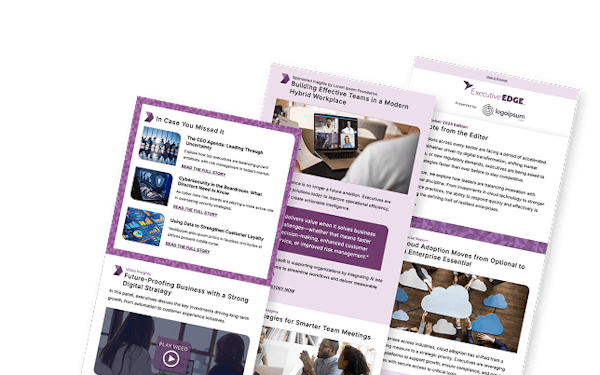
Make smart decisions faster with ExecutiveEDGE’s weekly newsletter. It delivers leadership insights, economic trends, and forward-thinking strategies. Gain perspectives from today’s top business minds and stay informed on innovations shaping tomorrow’s business landscape.
marketing-image